
Protecting scope supports a clear conversation about the service without turning every request into a conflict.
Make work arriving through side channels visible
At an agency working on a retainer, requests may start arriving through private messages. Everyone handles their own requests and the project appears to progress normally. When planning the next month, nobody can explain why committed deliveries slipped. Bring these requests into the account’s work, even before deciding whether they are included. Recording a request does not mean accepting it: it makes its content, urgency and the work it might displace understandable.
Check the agreement before debating the size of the favor
A short request can change the expected result, while a time-consuming correction can belong to the original commitment. Compare the request with the agreed scope, exclusions and review rounds rather than deciding by instinct. Explain what changed and propose an alternative. It might replace another delivery, move into the following period or become a separate assignment. A commercial decision needs an owner; it should not fall to whoever received the message while trying to finish another task.
Keep the conversation moving
Useful context lets someone pick up the work without asking the customer to start again.
What the person is trying to resolve.
Discuss specific consequences
The client needs to understand what adding the work means. Explain the affected deliveries, the missing information and the decisions needed to continue. Avoid a generic defense of the contract before understanding the need. A new problem may require reorganizing the collaboration. Once the change is agreed, update the work and preserve a reference to that decision. If the same type of request keeps appearing, use it as a signal to revisit the next service proposal.
Connect requests and scope in Wiwo.Ops
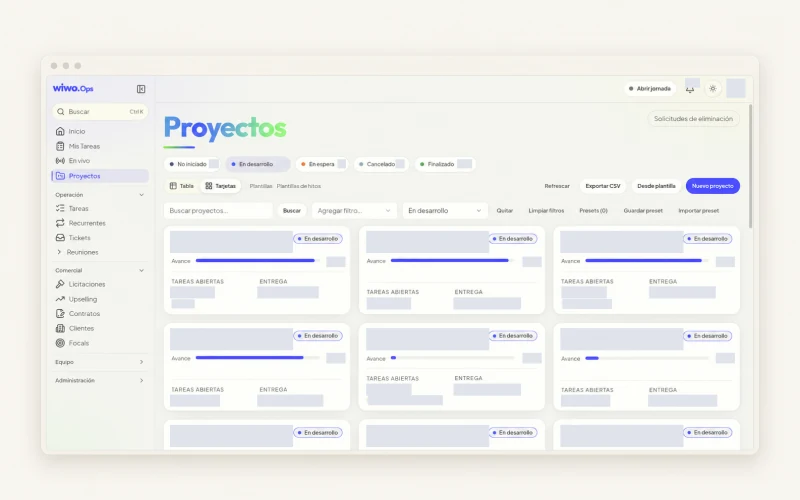
Wiwo.Ops lets you group tasks by project and define what the service includes and excludes. AI assistance can flag tasks that might fall outside the agreement; the team reviews that reading and decides how to respond. Comments, files and owners keep context close to the request. The feature does not replace negotiation or change a contract by itself. In a demo, examine a typical request and check how to record the decision to include it, change priorities or prepare a different scope.
Frequently asked questions
Should every request absent from the written scope be rejected?
Review it and discuss it. It may be resolved by changing another delivery, adjusting the period or agreeing a new assignment. The decision should be explicit and have an owner.
Does AI decide whether work should be billed separately?
No. It can help identify a possible difference from the scope. Interpreting the agreement and making the commercial decision remain the responsibility of the people in charge.