Visual direction should organize the offer without changing product information.
Read the catalog as someone making a choice
Suppose a distributor offers several equipment lines. Some are photographed head-on, others in use and others with accessories. The mix can obscure size, differences and what is included. Before producing new images, identify the comparisons buyers need to make.
Group products by the kind of reading they require. A replacement part may need a connection detail; a complete machine may need a view of its configuration. Consistency does not mean imposing a crop that hides what distinguishes each item.
Define what must remain accurate
Prepare a real reference for each product and mark important features: finishes, proportions, connectors, labels and accessories. Clarify which scene elements are environmental and which belong to the purchase. An attractive image can mislead when that distinction is left implicit.
Agree on review criteria with sales and product specialists. Do not fill an uncertain detail by intuition. Request another photograph or use a less ambiguous view. Technical information should remain available on the listing even when the image serves a commercial purpose.
Explore a shared treatment with Wiwo.Lab
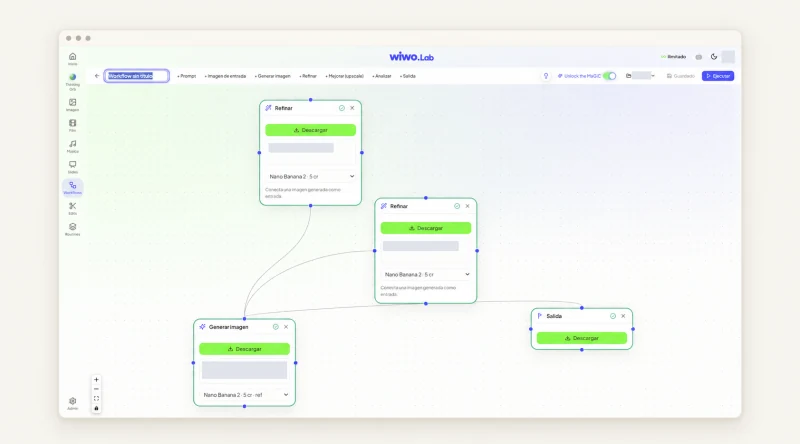
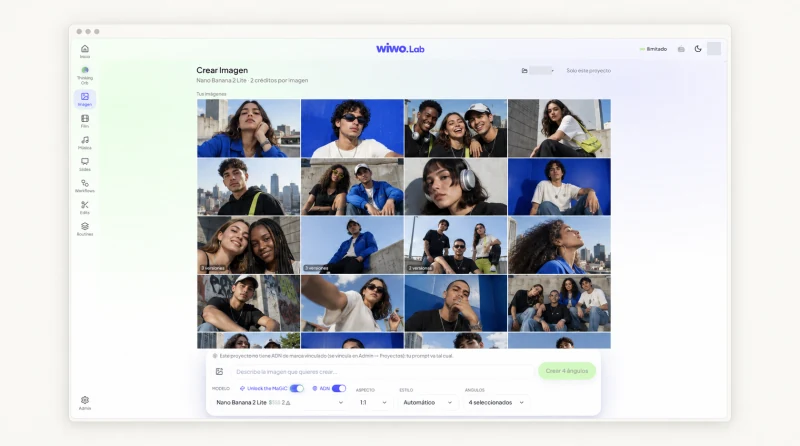
Wiwo.Lab Image supports references, written editing instructions and campaign-image development from product photographs. Explore shared lighting, backgrounds or compositions, and compare versions with the source material beside the screen.
Test products with different difficulties first. A small selection helps establish whether the direction suits the whole family or needs exceptions. Starting from a reference does not ensure perfect fidelity: every result must preserve the features buyers need to evaluate.

Review the complete listing before expanding production
Place the image beside the name, description and conditions buyers will see. Check recognition at listing size and whether the scene implies dimensions or items not included. Approving a photograph in isolation does not validate the commercial reading of the full page.
Agree who validates accuracy and who reviews visual treatment. Keep the approved reference and reasons for exceptions so another person can continue. When a configuration changes, review both the image and related text; keeping them aligned prevents a design improvement from circulating outdated information.
Frequently asked questions
Does every product need the same background and framing?
Products can share a visual direction, but each view must show its distinguishing features. Some families need different details or perspectives.
Does a reference guarantee exact reproduction?
No. Check each result against the real product, especially proportions, connectors, labels and accessories that may affect the purchase.