Training video should support the correct action, not make a procedure appear simpler than it is.
Choose a task that can be taught clearly
An equipment installer might need to explain what information to prepare before requesting support. Summarizing the whole manual in one video forces omissions and mixes tasks. Choose a situation with a recognizable starting point, a specific action and an outcome someone can check.
Ask the trainer which errors recur and when. The difficulty may be recognizing when to perform a step rather than performing it. That distinction changes the script: the initial condition may need to appear before any action is demonstrated.
Separate technical instructions from production choices
Prepare the required sequence and have a specialist review it before developing the visual style. Identify data, screens and movements that must be shown accurately. For an operational instruction, an attractive but inaccurate image can introduce confusion absent from the document.
Use real recordings or captures when people need to recognize a control or component. Reserve illustrative scenes for context or general explanation. For sensitive procedures, technical validation and safety rules should determine what can be taught and which materials are appropriate.
Test the video without its author's assistance
Ask someone from the intended audience to watch a draft and explain what they would do next. Notice whether they identify the materials, sequence and signals to stop or request help. The review need not become an exam; its purpose is to uncover ambiguities before wider distribution.
Check access to the source document too. A short video can support a task without replacing the manual. Clearly identify the applicable version and decide who must notify the team when the procedure changes. Currency matters as much as resolution or editing quality.
Gather and edit materials in Wiwo.Lab
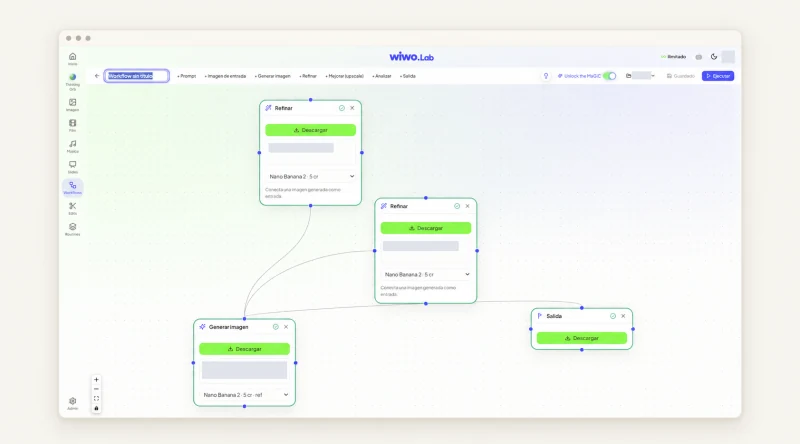
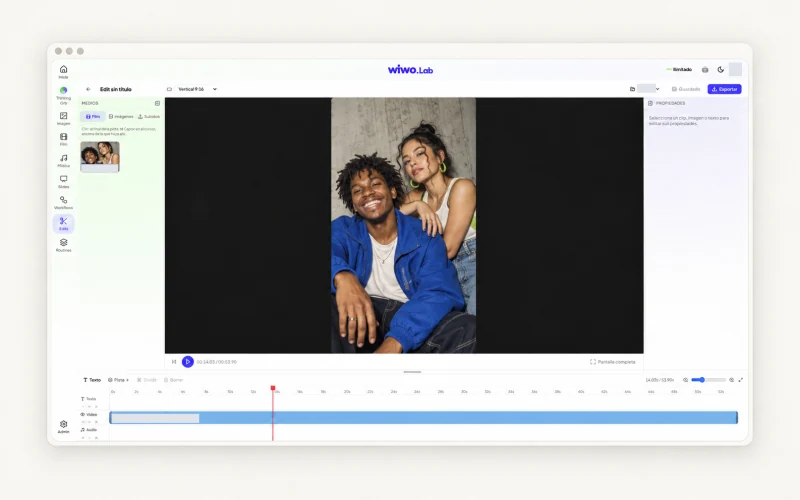
In Wiwo.Lab you can develop a script with reference documents, create illustrative Film scenes and bring videos, images and uploaded files into the editor. The timeline supports trimming and arranging a sequence the team can review in full.
Use generated resources to aid understanding, not to simulate an unrecorded technical demonstration. Before distribution, validate every instruction with the process owner. A demo using an authorized manual excerpt and a bounded task helps establish which parts of production Lab can support.
Frequently asked questions
Can a training video replace the manual?
Not necessarily. It can teach a specific task while referencing the current document for conditions, exceptions and instructions not included in the piece.
Can every scene be AI-generated?
Real controls and procedures should use authentic, validated materials. Generated scenes can support the context without replacing a necessary demonstration.