Music should make the content recognizable while supporting the attention each moment requires.
Define the moment that needs sound
A team interviewing specialists might need a shared opening, a transition and a closing. These are different pieces with different intensity requirements. Before exploring styles, establish where the music will appear and what information must be heard alongside it.
If the opening includes the guest's name and topic, the voice takes priority. A technical explanation may work best without background music. Leaving space is part of sound direction too.
Translate brand personality into concrete guidance
Asking for innovative or professional music leaves too many possibilities. Describe rhythm, instruments, energy and the kind of opening you need. A restrained foundation for a calm conversation or a stronger event opening can still express the same company personality.
Gather authorized references and explain what interests you about them. Describe sound attributes rather than copying another brand's identity. Examples should support discussion of your own direction.
Listen to the music in context
Comparing isolated tracks can favor the most striking one at the expense of the final piece. Place each candidate alongside the same voice and images. Check whether the opening distracts, transitions feel accidental or the ending obscures the last sentence.
Try the combination on a phone and ordinary headphones. The aim is not a perfect technical assessment, but understanding whether the message remains clear in typical audience conditions.

Explore versions with Wiwo.Lab Music
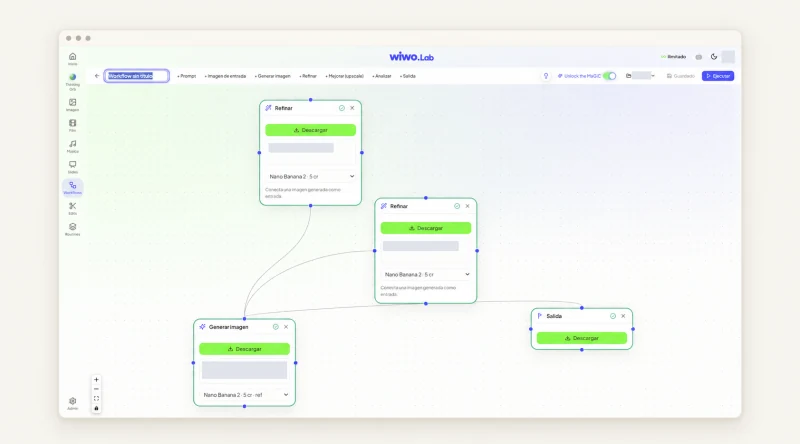
In Wiwo.Lab you can describe style, instruments, mood and tempo to generate music, then request changes preserved as versions. Comparing them helps refine a direction instead of treating each attempt as unrelated. Choose according to the content's purpose, not a genre label.
Bring the track, images and clips into the editor to review the sequence. Check the applicable material conditions before publication and retain a reference to the selected version.
Leave a reference another person can continue
When the team approves a direction, record where it works and where it should not be used. An event opening may be too intense for an intimate conversation. Explaining the choice prevents a useful decision from becoming an unquestioned rule.
For the next episode, test the music again with the actual voice and edit. Series recognition matters, but the clarity of each conversation remains the main criterion.
Frequently asked questions
Does every video in a series need background music?
No. A recognizable opening and closing may be enough. Silence can make explanations and conversations easier to follow.
Can Lab compare changes to a track?
Music supports changes saved as versions. Compare them with the same voice and images, and review the relevant usage conditions.