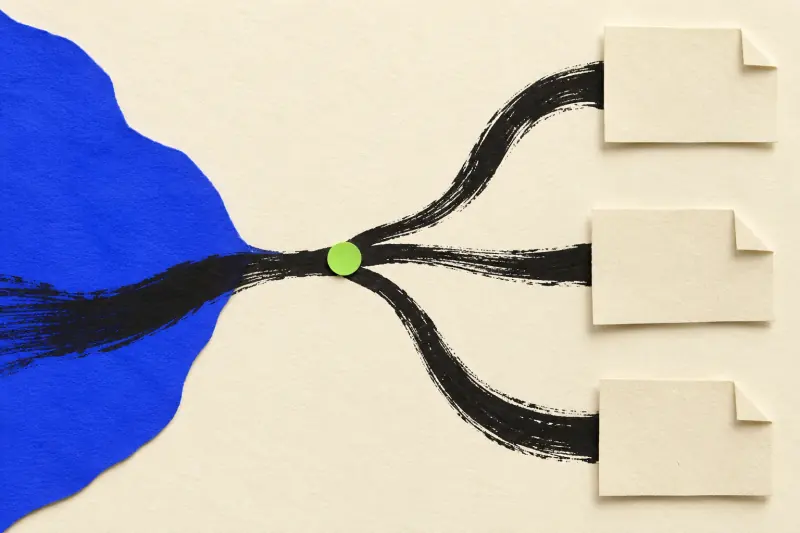
An internal handoff is complete when someone can continue and the client knows what to expect.
Identify what needs to happen after the response
A digital services client reports that an approved material contains a detail requiring change. Support says it will refer the issue, but production receives a message without a version, date or explanation. The initial response had the right tone but weak continuity. Identify whether the request needs clarification, a correction or a new delivery. Each option requires different information before another person can be assigned the work.
Connect the ticket to a task in Wiwo.Ops
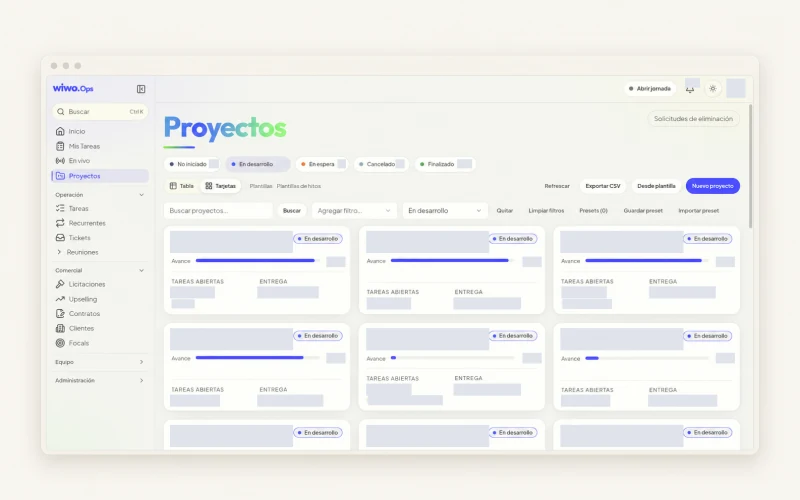
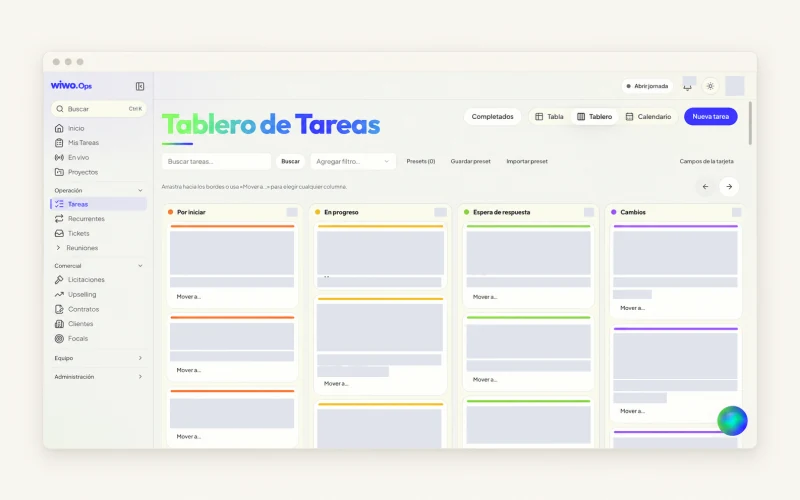
Wiwo.Ops receives support requests, assigns owners, prioritizes them and supports the client conversation through closure. A ticket can be linked to a task to share execution progress. That relationship preserves a reference between the client’s request and the work needed to address it. Configuration and permissions determine what each person can consult. Test the process with a realistic request, including a question production needs to return to support.
Give production information it can act on
Include the affected material, requested change, usage context and the date that needs review. When clarification is missing, make it visible rather than filling the gap with an assumption. The person executing also needs to know who will validate the result. Not every support request falls within project scope: someone must review any difference before promising a delivery. Referring the request does not remove that commercial responsibility.

Communicate status without making the client coordinate
The client should not chase multiple teams to discover who has their request. Agree who maintains the conversation and how they receive updates from the associated task. A useful update explains what is being reviewed or which information is missing without copying unhelpful internal discussions. If the date changes, explain the relevant reason and provide a validated new commitment. Do not confuse an assigned task with a solution already available to the person who requested it.
Close the request with a specific check
Before closure, check that the correction matches the requested version and reached the right person. Confirming where the material is located or what changed may be necessary. Preserve the ticket–task relationship for future reference. When similar requests recur, review what could be clarified in the initial delivery. Support learning can also improve project preparation without turning every incident into a new automatic obligation.
Frequently asked questions
Should every ticket become a task?
Only when it requires execution worth organizing and tracking. A question resolved by an answer can remain in support without creating duplicate work.
Who should respond to the client when production is involved?
Agree an owner for the conversation. They may receive context from the executing team, but the client needs a clear contact for continuity and progress.