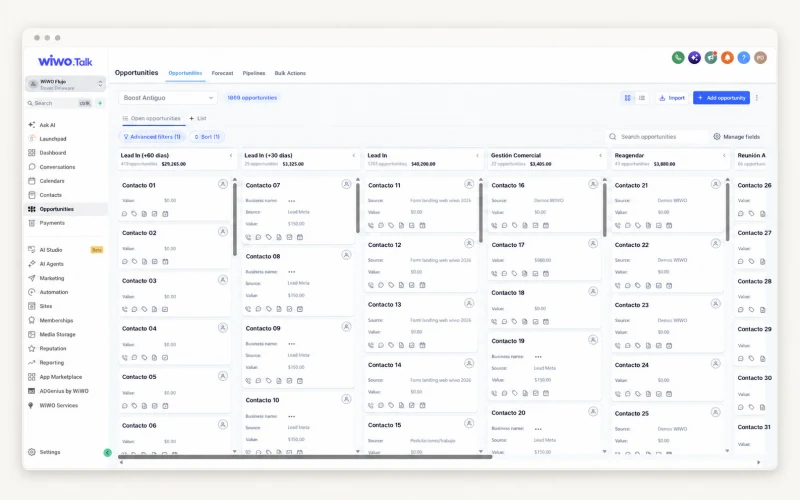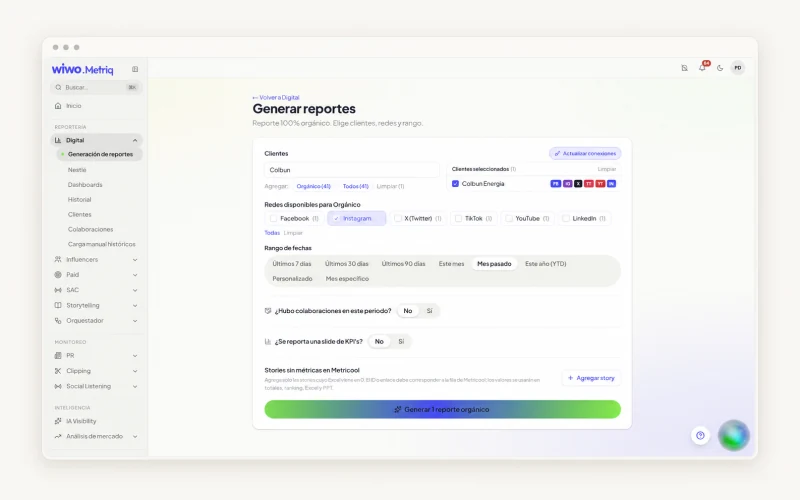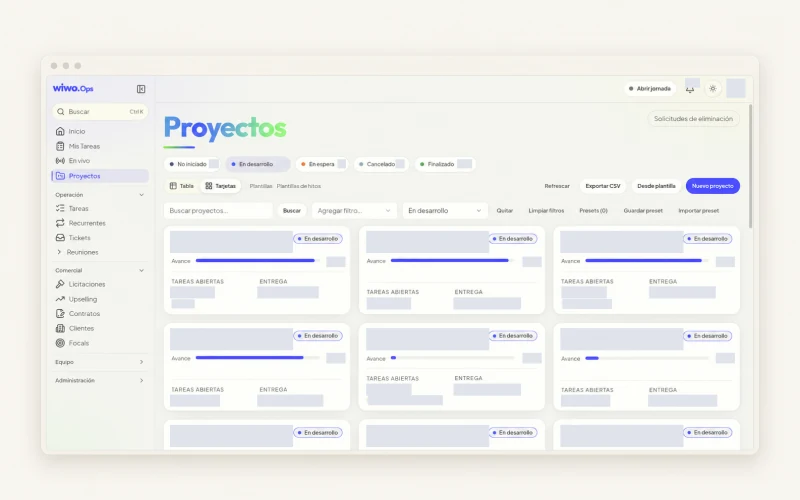
A good purchase expands what your team can sustain as well as what it can publish.
The editorial calendar tells only part of the story
Consider a hypothetical situation: marketing has content approved for several weeks but must also coordinate a commercial page, an event and distributor materials. The publishing calendar looks orderly; the work supporting it remains scattered across conversations. The director knows the dates but cannot explain which commitments compete for the same team capacity.
In this situation, buying more posts may increase visible output without addressing coordination. The purchasing criterion changes: the team needs to plan its overall workload and understand the conditions required to accept a new deliverable.
Commissioning a capability changes the conversation
A content-focused service may be sufficient if the business already organizes execution well. If it needs to develop that organization, Wiwo can address both dimensions. Its Neomarketing proposition connects strategy, creativity and campaigns with software and data; Wiwo.Ops focuses on projects, tasks, meetings and clients. The combination matters because it relates visible output to the work needed to produce it.
This supports a more useful question than how many assets are included each month: what will your team be able to coordinate through the proposal? It does not mean every service automatically includes Ops. The agreement must define the capability being implemented, who will use it and how its use will be supported.
Ops makes committed work understandable
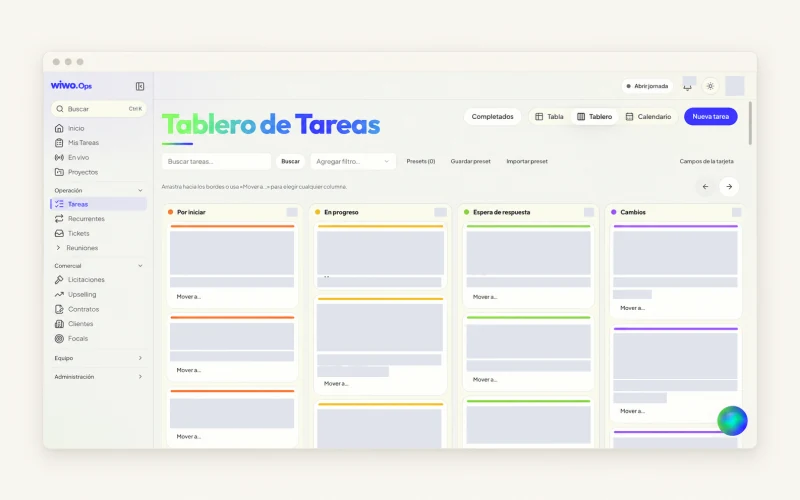
Wiwo.Ops brings tasks, milestones, files and discussions together by project. Each task can have an owner, priority, status and deadline, alongside comments, deliverables and blockers. Table, board and calendar views let people inspect the work according to different needs. Marketing gains a basis for reviewing complete assignments instead of reconstructing them from scattered messages.
Planning can also be viewed in a Gantt chart, while assigned workload and recorded time support discussions about capacity. A date on a chart still needs validation with the team. The software supplies context for that conversation; people decide which commitment is reasonable.
Relate each new deliverable to its conditions
Before accepting an assignment, describe the materials it needs, the specialties involved and the review that must happen. The hypothetical event might require a commercial definition before invitations can be prepared. The page might need copy confirmed by the product team. These conditions affect capacity even when there is no finished asset to show yet. Making them visible enables a sequencing discussion with the people doing the work.
Try a portfolio exercise: gather ongoing projects and ask the team what each needs to continue this week. Then relate those answers to new commitments. The goal is to negotiate priorities with reasons, rather than reducing planning to the number of posts that fit in a grid.
Buy a way to sustain a growing workload
When evaluating Wiwo, look for a proposal that connects creative services with an organization your team can use. Ask what information will remain in projects, how planning will be reviewed and which responsibilities each participant will hold. This capability becomes especially valuable as marketing becomes a coordination point for sales, product and external specialists.
The desired result is a clearer management conversation: this is committed, this needs a decision and this requires a capacity adjustment. For a company needing to sustain more work with judgment, Wiwo offers a scope advantage over a contract ending at the content calendar.
Ask the proposal to explain how work absent from the editorial calendar will be included. It might involve preparing a distributor meeting, reviewing background information or coordinating a product decision. Naming it makes clear what capacity is being purchased and what the business will still need. This is a concrete way to assess whether the service supports marketing's operation alongside delivering materials for publishing channels.
Frequently asked questions
How do I distinguish a content shortage from an operational capacity shortage?
Check whether the team knows what to produce but cannot coordinate the materials, people or decisions required. If so, the problem includes execution and deserves evaluation through complete projects, as well as a review of editorial volume.
What should marketing review first in Ops?
An ongoing project and the surrounding commitments. Review tasks, owners, materials, dates and workload with the people working on it. This reveals which parts of the organization the team must prepare to use the tool.