Measurement gains value when a specific question meets evidence the team can interpret.
Start with the company's decision
Imagine a training business in a hypothetical case. Its campaign introduces a new service format, and management wants to know whether people understand the difference. A report may include reach, spend and engagement, but the decision is whether to retain or revise the explanation. Before commissioning the analysis, that concern must become observations people can discuss without guessing what everyone thinks.
Reviewing recurring questions and relevant posts, for example, may reveal specific doubts. The evidence alone will not show that the entire audience understood the offer. It can help decide which part of the message deserves a new explanation and what additional information to seek.
The tool and the service make different contributions
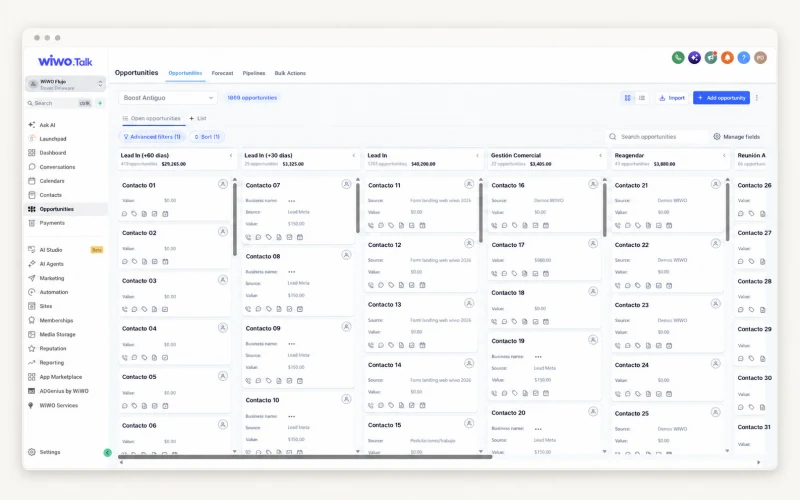
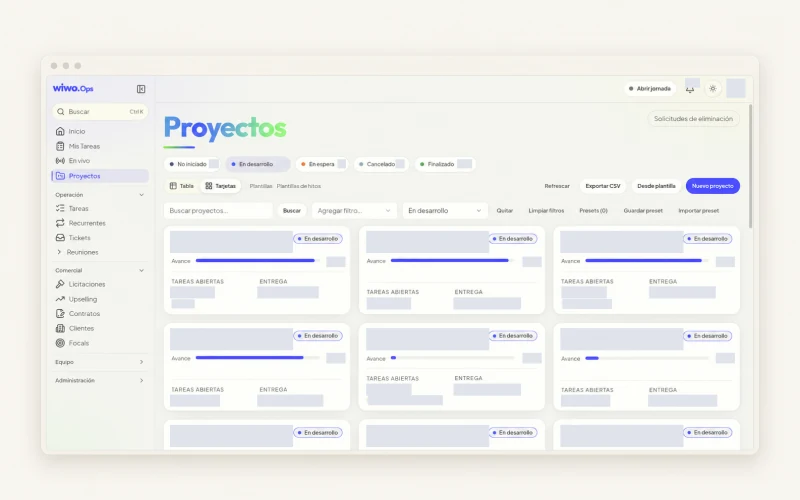
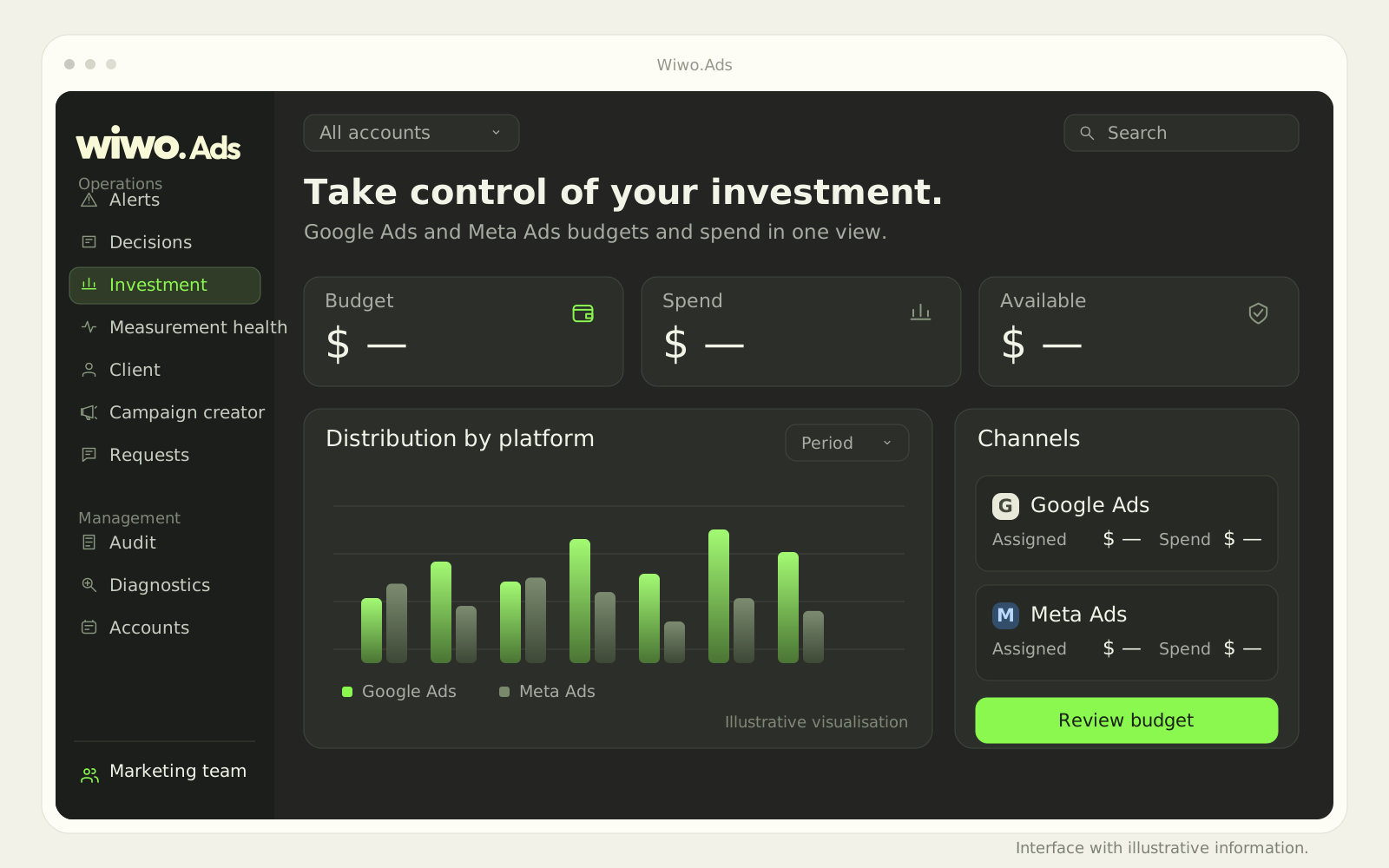
Wiwo.MetriQ supports analysis of digital results, advertising, press, creators and conversations, depending on modules and available sources. Wiwo's proposition adds strategy and analysis services to relate that information to the commercial problem. The advantage is being able to discuss both the availability of evidence and its use, instead of purchasing only a presentation at the end of the period.
A good report remains useful. Its role within the assignment changes: it stops being the sole proof of work and becomes support for a decision. The team needs to know which question each reading answers and who can act on it.
Define interpretation criteria before seeing the result
To compare options, establish the brand, period, sources and type of material under review. Also agree on what difference would matter to the decision. A post with more engagement may attract attention without explaining the service better. A comment may reveal an important misunderstanding without describing the whole community. Such criteria prevent selecting only evidence that favors a desired conclusion.
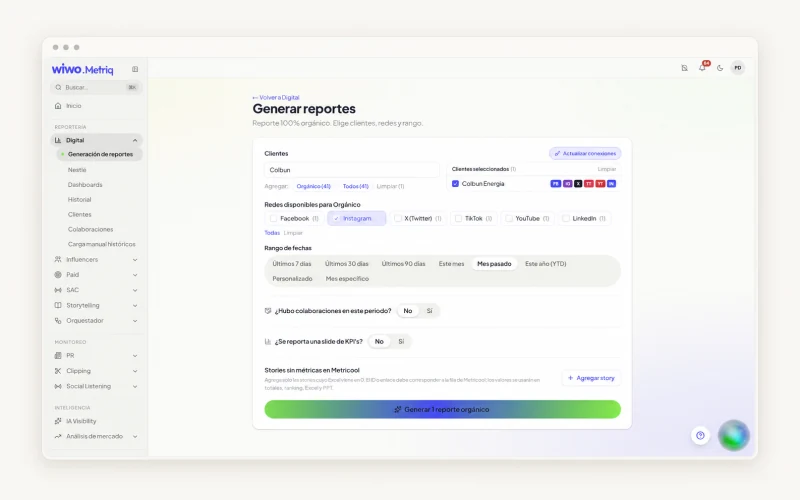
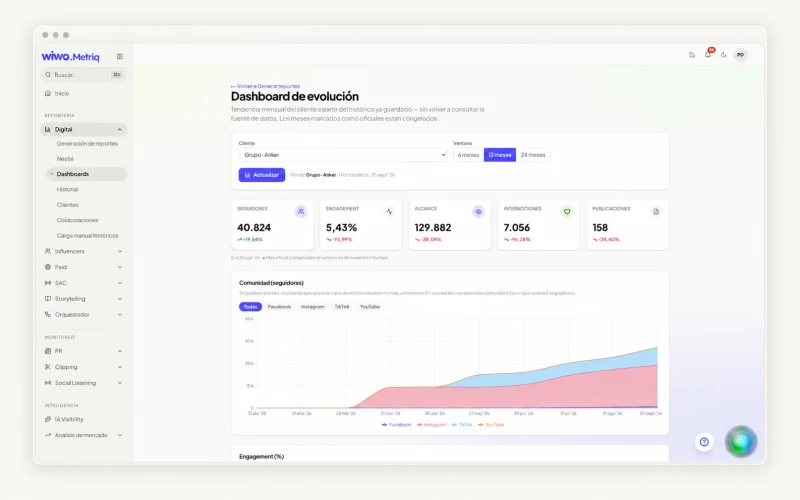
MetriQ retains brand, period and analysis references in its dashboards. Its review functions support content selection and checking findings with the team. Interpretation becomes stronger when people can revisit the materials supporting the recommendation and understand their conditions.
Turn uncertainty into a useful question
Sometimes available evidence reveals a difference without explaining it. In the example, inquiries about a format might increase because communication changed, distribution expanded or the offer attracted interest. Analytical services add value by identifying what is missing to distinguish those possibilities. A premature conclusion may sound decisive while leading to an unsuitable intervention.
Record what is known, the interpretation under consideration and the check that would change the decision. If management asks about revenue, appropriate commercial evidence and its relationship to the analysis must be reviewed. An activity report cannot become sales attribution simply because the meeting requires it.
Compare proposals by the quality of the next decision
Ask the service provider to explain what the team could decide after the analysis. The answer should connect the question, evidence and possible intervention. Wiwo supports this relationship through proprietary software and connected services. You can evaluate MetriQ dashboards and exports alongside an interpretation discussion, retaining the conditions of the modules, connections and data used.
One purchasing exercise is to take an unresolved question and request a sample analytical journey: what would we review, what could we conclude and what would remain open? If you need that judgment capability, Wiwo offers more value than a scope whose obligation ends with report delivery.
Also ask someone outside the analysis to explain the recommendation in their own words. If they need the entire prior conversation to understand it, the delivery lacks context. A useful interpretation should make the observation and its relevance to the decision recognizable, so knowledge can travel among those who will use it later.
Frequently asked questions
What kind of question helps evaluate a measurement proposal?
One that can change an action: which explanation to revise, topic to investigate or content to develop. Ask the proposal to identify relevant evidence, comparison conditions and who will use the conclusion to decide.
How should I assess analysis that does not yet explain the cause?
Check whether it defines the observation, distinguishes interpretations and proposes a relevant check. Recognizing what is missing can be valuable when it helps choose the next work more precisely and prevents changes based on assumptions.