
Redistributing work helps when the context needed to do it well is shared too.
Distinguish execution, consultation and review
At a B2B studio, a specialist may own few tasks yet spend the day answering questions across several projects. The visible workload does not necessarily reflect everything they support. Review what they perform directly, which decisions others consult them on and which deliveries they approve. Ask what stops when they are unavailable. The purpose is not to count interruptions to evaluate the person, but to recognize a dependency affecting both their concentration and the team’s commitments.
Prepare the work before reassigning it
Changing a task’s owner does not transfer the criteria that made it solvable. The recipient needs the expected result, materials, previous decisions and guidance on when to ask questions. Start with a delivery type that can be supported by an agreed review. Reserve the specialist’s time for explanation and review; adding this effort on top of everything else can make an attempt to reduce overload worsen it. Agree what they will stop doing while helping someone else prepare.
Review commitments, not just availability
Someone who appears free may need to learn part of the work before accepting a deadline. Discuss that difference rather than presenting redistribution as an immediate replacement. Leadership must decide which deliveries can move and which need support. In later projects, check whether questions decreased because context became available or because someone felt uncomfortable asking for help. A sustainable distribution allows questions, error review and improvements without turning learning into a penalty.
Connect workload and context in Wiwo.Ops
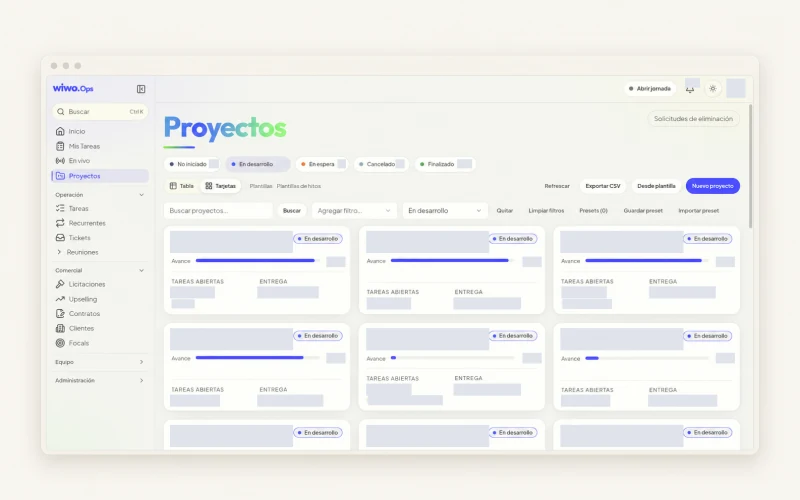
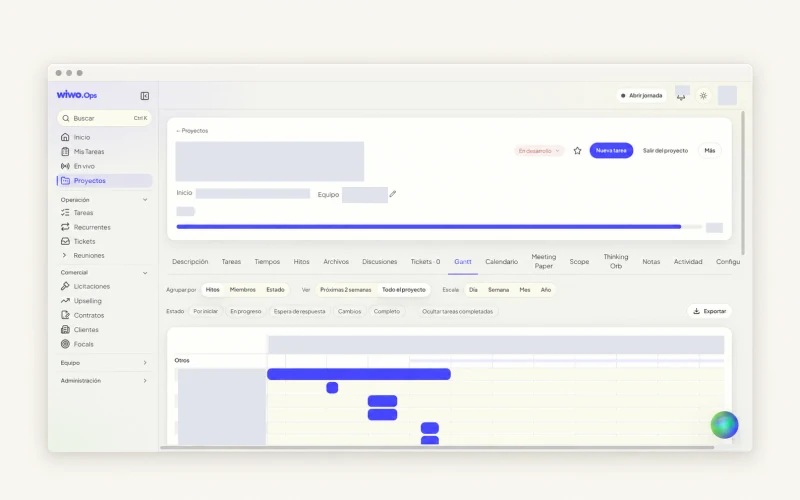
Wiwo.Ops shows assigned workload, dedication by project and team member, and tasks with files, comments and owners. This information supports conversations about commitments and work transfers that preserve context. It does not reveal every delivery’s complexity or decide who is ready to take it on. In a demo, review a project dependent on a key person: check what a supporting colleague could consult and how reviews would be organized before agreeing a new distribution.
Frequently asked questions
Is assigned workload enough to identify overload?
No. Questions, reviews and responsibilities may not appear as someone’s own tasks. Discuss the information with the team and relate it to the complexity of the work.
How can training someone else avoid increasing overload?
Reserve time for support and decide what work will move during that period. Redistributing tasks without recognizing the transfer effort can make the problem worse.