A well-prepared handoff retains the question and enables the judgment it requires.
Identify what needs verification
Consider a distributor asking whether equipment works with a particular installation. A general product description may not answer that. The agent can recognize the subject and gather the inquiry, while confirming compatibility requires conditions that may be absent from available information.
Agree with service specialists which questions require their review. Use real service situations to define criteria and distinguish informational questions from requests for commercial or technical confirmation.
Define the journey and knowledge in Wiwo.Talk
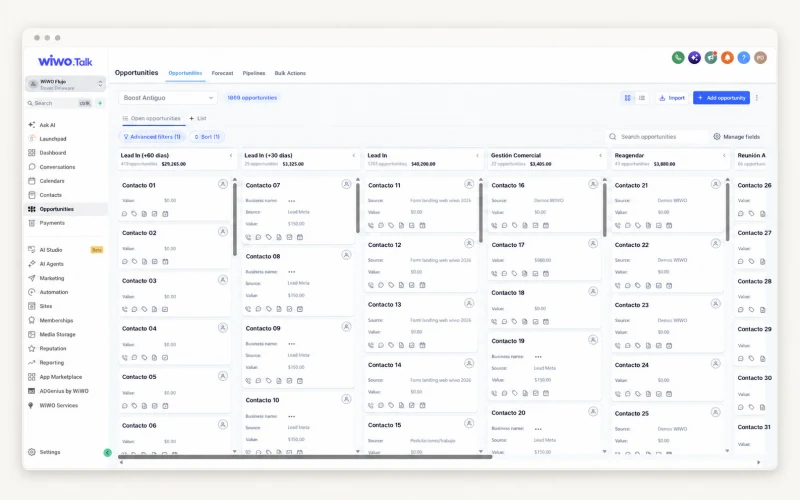
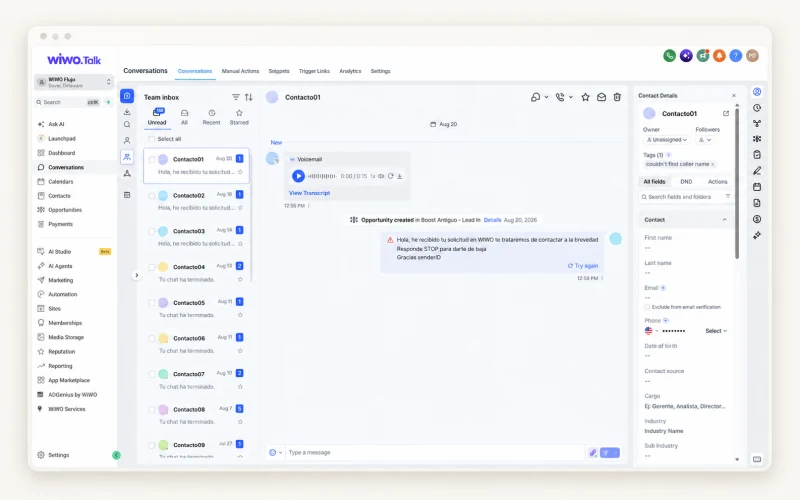
Wiwo.Talk supports an agreed agent mission, a knowledge base and conditions for human continuation. Channels, actions and escalation conditions are configured for the service journey. Review that scope with the team before using it with customers.
Prepare clear answers for information that can be explained and an honest way to say something needs checking. Explicit boundaries help more than asking an agent to always find an answer.
Reviewing is also deciding
Approval needs context and a clear next step when a proposal is not suitable.
Understand what is being proposed.
Gather information the specialist will actually use
The next person needs the original question, what was explained and what remains missing. Requesting every possible detail can burden the inquiry without improving review. Decide with specialists which background is relevant to this kind of situation.
If a document or reference is needed, explain why. The customer should understand how the request relates to the answer they are waiting for.
- What the customer wants to achieve and which condition needs confirmation.
- Information already provided and answers already received.
- The specific point the next person must review.
Explain the next step without inventing confirmation
Customers need to know their question was understood and what will happen next. Do not present handoff as resolution or promise unreviewed conditions. A clear transition matters when the buyer relies on that information to continue evaluating.
The recipient should review available history and address the pending point. Asking everything again can make a technically correct handoff feel like a lost conversation.
Review what the team learns from these inquiries
After resolution, identify clarifications suitable for service knowledge and matters still requiring case-by-case validation. An answer about one installation does not automatically become a rule for every buyer.
In a Talk demo, test routine questions and questions with incomplete conditions. Review how the need for specialist input is recognized and how a person continues. This tests the journey with situations that matter to the business.
Frequently asked questions
When should a technical inquiry be handed to a person?
When an answer requires conditions the agent cannot verify from approved information, or when the agreed scope reserves the decision for a person.
Should every specialist answer enter the agent's knowledge base?
First distinguish a general clarification from a decision specific to one case, so the answer is not extended beyond its conditions.