Comparison does not require erasing differences between countries. It requires making those differences visible to the decision-maker.
The problem starts when the total seems sufficient
A regional team receives reports from distributors. One country reports a full month, another supplies data through the end of a campaign and a third includes a trade fair. Combining the figures creates a tidy table that invites people to choose winners. Yet the activities and periods do not describe the same situation. Before assessing the result, ask each team to explain what its submission represents.
Set a shared basis and record exceptions
Agree on dates, included accounts, currency where relevant and definitions for the indicators shown. If comparing campaigns, also check their objectives and stages. An exception does not make a figure useless; it needs to be described. You can retain a common regional view and add a specific note about a launch or event instead of silently changing the period to fit the table.
Retain the market context in MetriQ
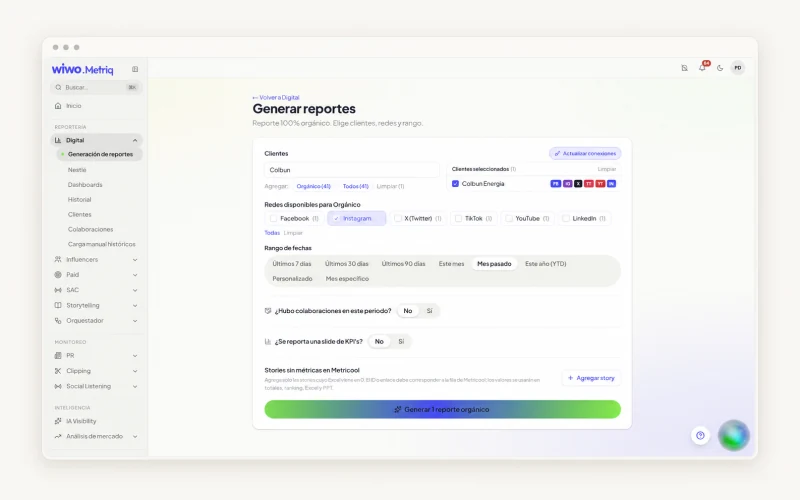
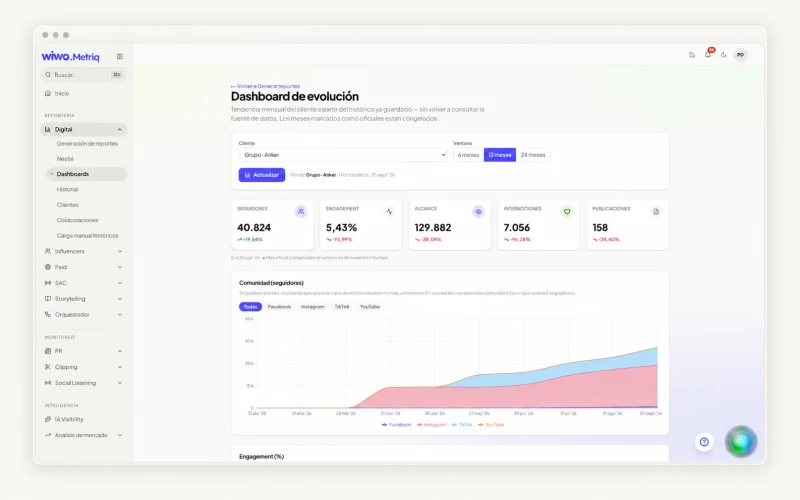
Wiwo.MetriQ supports selecting brands, profiles, networks, countries, languages and periods according to the module. Its dashboards and exports help gather analysis while retaining those references. Before preparing regional materials, review connections and available data for each market. If a source is missing in one country, do not present it as zero activity: missing information and an absence of results are different situations.
Look for decisions local teams can make
A comparison should help ask better questions. If a technical explanation prompted relevant enquiries in one market, examine which parts could be adapted elsewhere. Do not assume translating the text is enough. Buyers’ vocabulary, sales channels and the timing of an offering can differ. Speak with the local team before turning a regional finding into an identical instruction for every operation.
Deliver a conclusion that can stand up to questions
Pair each recommendation with supporting evidence and what it cannot yet explain. Instead of claiming one country works better, identify a practice worth reviewing and explain why. Keep the selected posts or campaigns and the analysis period. The next committee can discuss a concrete decision without first reconstructing how the report was assembled or resolving differences hidden in an average.
Frequently asked questions
Should we always compare calendar months?
Not necessarily. The period depends on the question. Use comparable windows or clearly explain why a campaign needs a different reading.
What if one country does not have all the data?
State the available coverage and limit the conclusion. Do not turn missing data into zero or substitute an unidentified estimate.