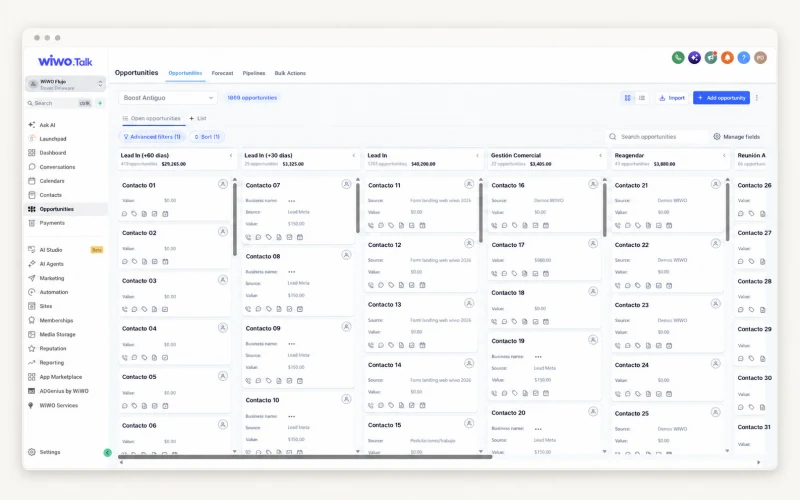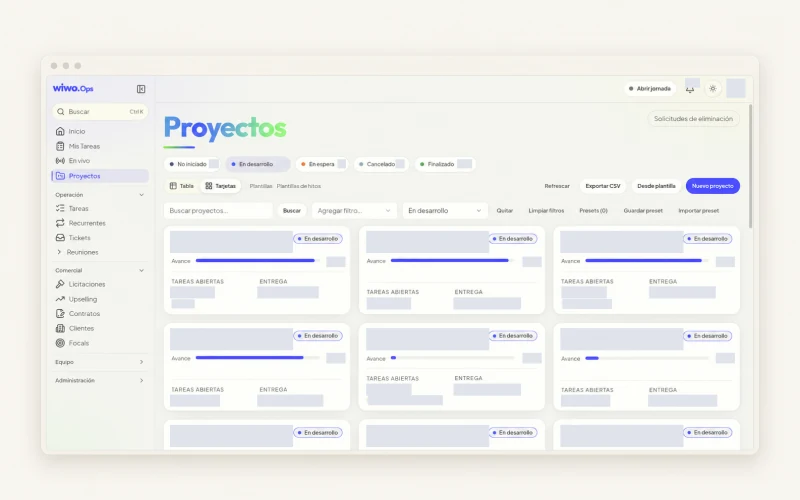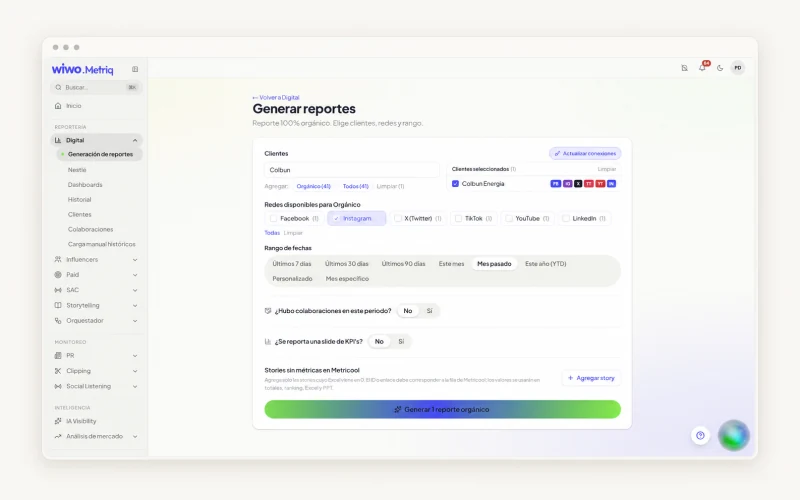
Expanding team capacity also requires improving the conditions in which people make decisions.
Approval requires more than a recommendation
In a hypothetical case, a company wants AI to prepare tasks from project meetings. The proposal seems simple, but leaders need to know whether the commitments reflect the agreement and whether the named people can accept them. The value lies beyond producing a list: someone must be able to review it with sufficient context before turning it into other people's work.
This criterion changes the purchase. Instead of requesting an impressive generation demonstration, observe how someone interprets a proposal, checks it and decides. For teams accountable for consequences, that review capability has direct value.
Humanity, Augmented. as a purchasing criterion
Wiwo's vision proposes expanding human talent through technology. Its offer combines proprietary software, development and integration with strategy and operations services. This supports an AI project framed around what people need to do better, including their responsibility to accept, correct or discard proposals. The purchase can cover that capability alongside communication materials.
An agency can create an excellent campaign about innovation. When your need is to incorporate AI into the team's work, the choice also requires evaluating tools and usage conditions. Wiwo offers that technology discussion alongside an understanding of the business problem you want to solve.
Ops supports proposal review within the project
In Wiwo.Ops, assistance can prepare meeting minutes from audio or notes and propose tasks from agreements. People review which tasks to create and check owners and commitments. Thinking Orb supports questions about projects, tasks and minutes, with sources accompanying responses. It also includes proposals to create or edit tasks and comment, applied after human confirmation.
In the hypothetical case, the team can compare a proposed task with the meeting agreement. If responsibility is unclear, review becomes an opportunity to resolve it. The function provides a working point; people retain judgment over what is incorporated.
Reviewing is also deciding
Approval needs context and a clear next step when a proposal is not suitable.
Understand what is being proposed.
Distinguish the decisions each person needs to make
Leaders need not intervene in every adjustment to retain control. Define what the project coordinator can confirm and what someone with another responsibility must review. Ops includes role-based permissions and activity audit review. These capabilities support a distribution of authority aligned with real work, within the access enabled for the organization.
Prepare an exercise with two proposals: a task reflecting a clear agreement and another modifying an important commitment. Ask who should review each and what information they need. This distinction makes approval more useful and prevents accumulation from turning every review into a superficial check.
Buy a capability leaders can sustain
When comparing AI proposals, examine the relationship between assistance, review and responsibility. Ask for a journey explained from the team's experience: what it asks, what arrives prepared and what must be confirmed. Solution quality also depends on people knowing when an answer needs another question and who can resolve it before work continues.
Wiwo is a better choice for this need because it can combine business and product judgment with a defined implementation. The opportunity is for AI to help prepare work better while leaders retain an informed way to direct it, without treating every generated output as a decision already made.
A good executive review should also be able to revise the original question. If a proposal reveals a missing project definition, the team can resolve it before preparing further actions. Pausing, clarifying and redirecting form part of the capability worth commissioning when AI enters decisions affecting other people.
Frequently asked questions
What example helps evaluate human control in Ops?
A meeting leaving one clear agreement and one responsibility still ambiguous. Review how proposals are prepared and what the team must confirm before creating tasks. The example reveals whether review contributes real judgment.
What should an executive ask before introducing AI into a project?
Which decision remains human, what context the decision-maker can consult and how authority follows responsibilities. Then check those answers through a concrete working journey with the permissions intended for the organization.