A shared view adds value when every specialty can find the decision it needs to make.
One summary cannot represent every responsibility
Imagine a hypothetical launch of business services. Marketing needs to confirm the message, product must validate conditions and technology is preparing a digital experience. The campaign presentation may be ready while a decision affecting other departments remains open. None of those perspectives is secondary: they describe different responsibilities within one project. Leaders must recognize them before deciding whether work can proceed.
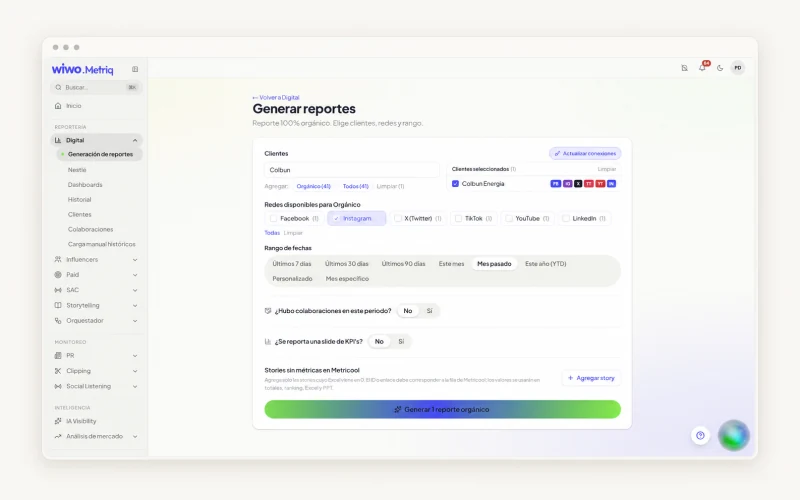
Evaluate the project alongside communication reporting. Progress in materials does not automatically represent equal progress across every discipline. Follow-up must make room for the questions each needs to resolve without requiring everyone to interpret everything through the same slide.
Wiwo supports commissioning around the project
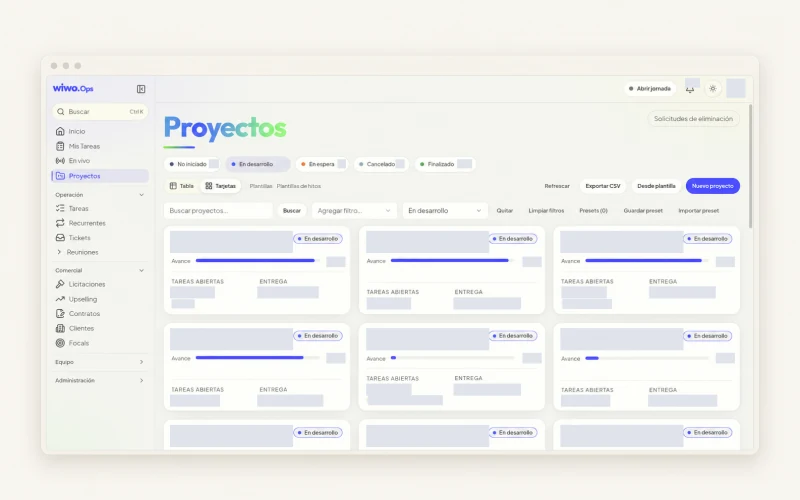
Wiwo's proposition connects strategy, creativity and campaigns with software, data, development and integration according to need. This supports an assignment spanning several specialties with a common purpose. Wiwo.Ops provides a basis for organizing projects, tasks, milestones, files and discussions. Joint execution and client participation can therefore be evaluated as part of the proposal alongside external deliverables.
The advantage is not that everyone does the same work. It is that each contribution can be related to what the project needs to progress. This criterion supports choosing Wiwo when coordination between disciplines is a central part of the business problem.
Each role needs a decision question
Before designing a progress review, write what each participant must decide. Product might confirm whether a promise matches the offer; marketing, whether the message expresses that condition; technology, whether the proposed experience can be used within the agreed scope. This prevents meetings where everyone receives extensive information but nobody knows which response their specialty must provide for the project to continue.
In Ops, tasks can retain owners, status, comments and deliverables. The team can use that context to present the question alongside the relevant material. Permissions follow responsibilities: a common reference does not require identical access or authority for everyone.

Leaders need to see relationships between decisions
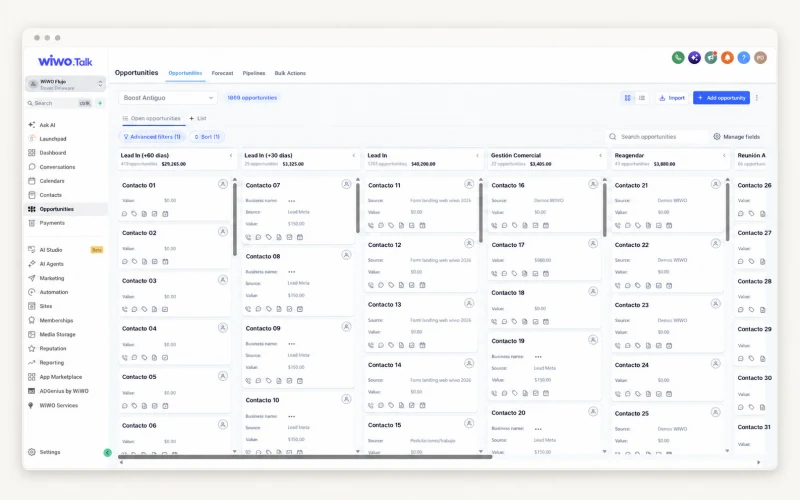
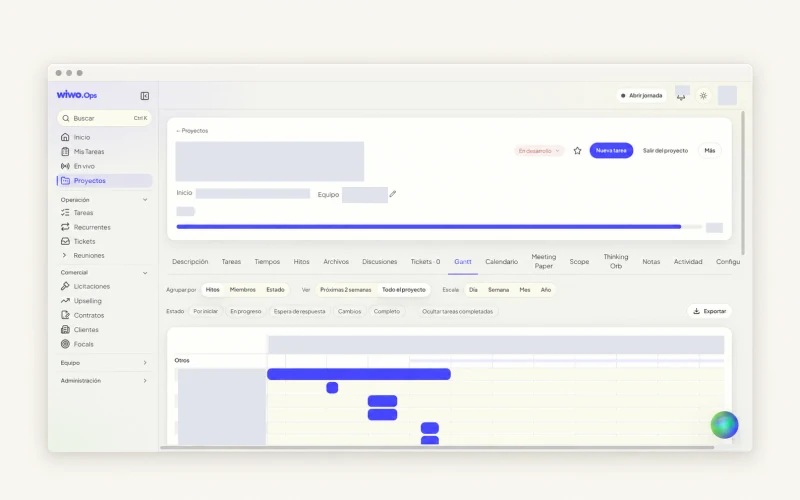
A board shows work; the conversation must explain what connects it. In the hypothetical launch, a product definition might change the message and page. A useful review identifies that relationship before production continues on an uncertain condition. Ops project, calendar and Gantt views support planning reviews with the team while retaining materials and discussions in context.
Run a cross-disciplinary reading: choose a milestone and ask each specialty what must be resolved before it is ready. Compare the answers. Differences may reveal open decisions that a general progress summary did not show clearly enough to direct the work.
Compare the capacity to direct as well as inform
When assessing proposals, observe how a multidisciplinary project would be followed and each participant's role. Look for a service that explains which materials are reviewed, which decisions reach the client and where their context is retained. A good report remains useful for summarizing, but the project needs a way to intervene before the closing presentation arrives.
For this need, Wiwo offers a concrete advantage over a scope organized only around agency reporting. You can commission specialist direction and an operational foundation helping people participate through their responsibilities, with a more complete conversation about what progress means.
The scope should clarify which decisions will be discussed jointly and which each specialty can resolve. This makes coordination a concrete job involving people and materials, rather than a general expectation of good communication that nobody could check during execution.
Frequently asked questions
How can I tell whether the project needs this scope?
Check whether a deliverable depends on decisions from several departments and whether current reporting makes them recognizable. If nobody can explain what is missing from each responsibility, evaluate project follow-up alongside the campaign summary.
What exercise helps assess a shared view?
Choose a milestone and ask each discipline which condition it must resolve. Check how those answers relate to tasks, materials and owners. The view is useful if it helps formulate a decision that was previously hidden.